A notebook on beauty and style · Cognac

Choosing what you wear, and what you put on your skin, with care

Lionel Perrot keeps this notebook on scent, skin care, clothing and small daily rituals. The thread follows his articles, from the newest to the oldest.

Latest articles, from newest to oldest

May 2026

Needs shift with the seasons: spring brings back fresh green and floral scents, summer asks for lighter textures, and winter dries out sensitive skin. Each piece starts from a real use rather than a passing trend, and looks at what actually matters before anything is chosen.

Each date on the thread matches one article. Guides to fragrance and skin care sit next to advice on clothes and bags, and next to the small rituals that help a day slow down. You can scroll back through the thread to find a subject covered a few weeks ago.

Wearing a scent well: from the first notes to the bottle on the shelf

A fragrance is often bought on a quick spray in a shop, then worn the wrong way and stored in the worst spot in the house. A few simple habits change how it smells and how long it lasts.

Reading the notes before you buy

A scent opens with its lightest notes, settles into its heart within the hour, then leaves a base that stays on the skin. Green accords recall crushed leaves and wet grass, while white florals such as lily of the valley read as clean and luminous. Spray the fragrance on your wrist rather than on a paper strip, walk away, and come back to it later: the heart notes, not the first burst, are what you will actually live with all day.

Applying it where it works

Fragrance lasts longer on skin that is well moisturised, so an unscented lotion applied after the shower gives it something to hold on to. The warm pulse points, inside the wrists and at the base of the neck, help the scent rise gently through the day. Rubbing the wrists together only crushes the top notes. A solid perfume, pressed lightly on the same spots, is a discreet alternative for skin that reacts to alcohol.

Storing the bottle away from light and heat

Light, heat and humidity break down delicate floral notes faster than anything else, which makes a sunny windowsill or a steamy bathroom the worst places for a bottle. A cool, dark cupboard keeps the original character of the scent for much longer. Keep the cap on, avoid shaking the bottle, and finish an opened fragrance within a reasonable time rather than saving it for an occasion that never comes.

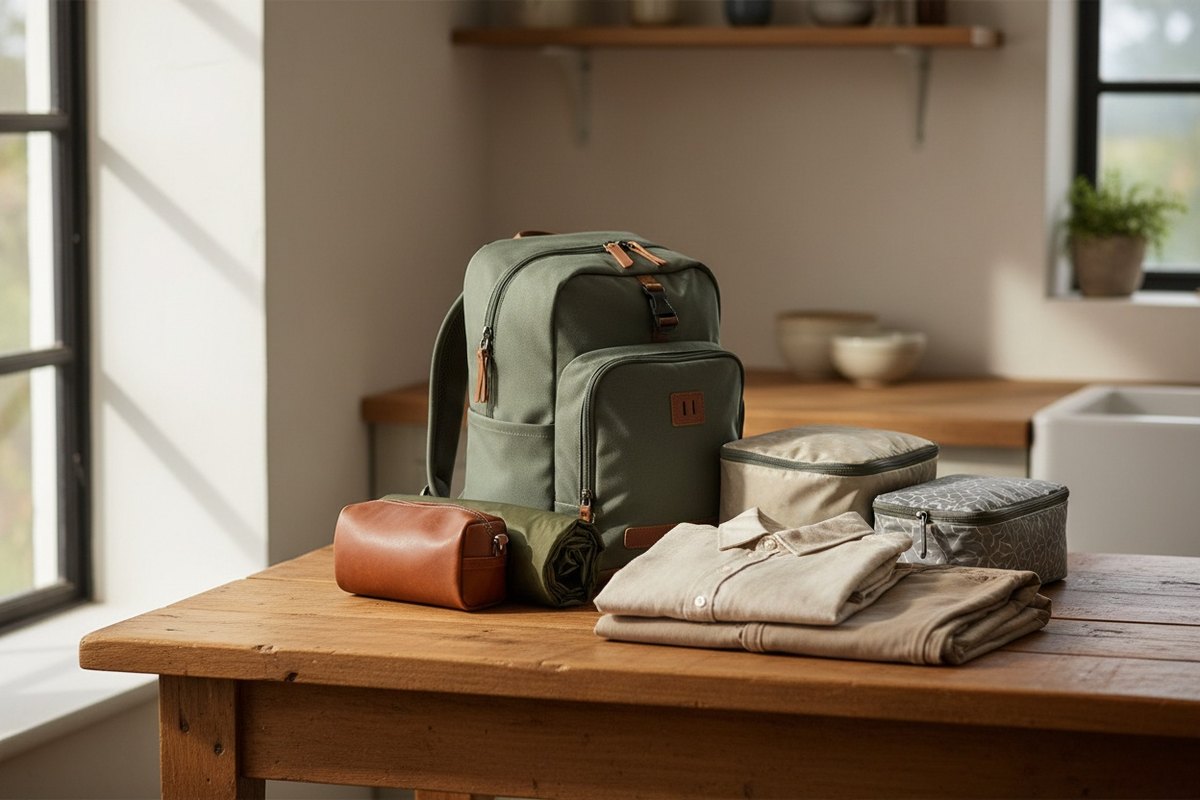
A small tin of solid perfume travels best in a bag you carry every day, and the same rule applies to the bag itself as to a good scent: choose for how you use it. If you are looking for one that will age gracefully, take time to compare sacs à main en cuir, checking the quality of the leather, the stitching and the inner pockets.
Six words to read a fragrance or a label

Top notes
The first impression of a fragrance, made of light, quick-fading materials such as citrus or fresh greens; they fade within the first minutes.
Heart notes
The core of a scent, which appears once the top notes have faded and gives the fragrance its main character for several hours.
Green accord
A blend of notes that recalls cut stems, crushed leaves or damp grass, often paired with white florals to give them a fresh, outdoor feel.
Sillage
The trail a fragrance leaves in the air as the wearer moves; a light sillage stays close to the skin, a strong one fills a room.
Solid perfume
A fragrance blended into a wax or balm rather than alcohol, applied with a fingertip and easy to carry in a small tin or a pocket.
Layering
Building a scent in several steps, for example a matching or unscented lotion before the spray, so that the fragrance holds longer on the skin.

Common questions about scent and skin

In France, sprigs of lily of the valley are traditionally offered on the first of May to wish someone luck for the year ahead. Perfumers have long tried to capture its fresh, green floral scent, which has become a quiet symbol of renewal.

On moisturised skin and on the warm pulse points: inside the wrists, at the base of the neck, behind the ears. Avoid rubbing the wrists together, which crushes the top notes, and spray once or twice rather than covering the whole body.

It often is, since most solid perfumes are made without alcohol, which can dry or irritate reactive skin. Test it first on a small area of the inner arm and wait a day before using it on the neck or face.

The colour darkens, the top notes smell sour or flat, and the scent fades quickly on the skin. Keeping the bottle closed, in a cool and dark place, slows this change considerably.

Portrait of Lionel Perrot, author of Lejardin Delabeaute

Lionel Perrot, writing from his desk in Cognac

Almost everything published here starts from a practical question: which scent for every day, which cream for skin that feels tight, which cut for a given figure. I read the labels, I try things out, I compare, and I write down what I keep from it so that each reader can choose with full knowledge.

A fragrance puzzles you, or a cut makes you hesitate? Write to me at contact@lejardin-delabeaute.fr : your questions often shape the next articles.